
ISI Mark Certification in India: Complete Guide for Manufacturers
The ISI Mark Certification is one of the most recognized symbols of product quality and safety in India. For manufacturers, obtaining this certification is not just about regulatory compliance—it is about building trust, credibility, and long-term success in the market.
What is ISI Mark Certification?
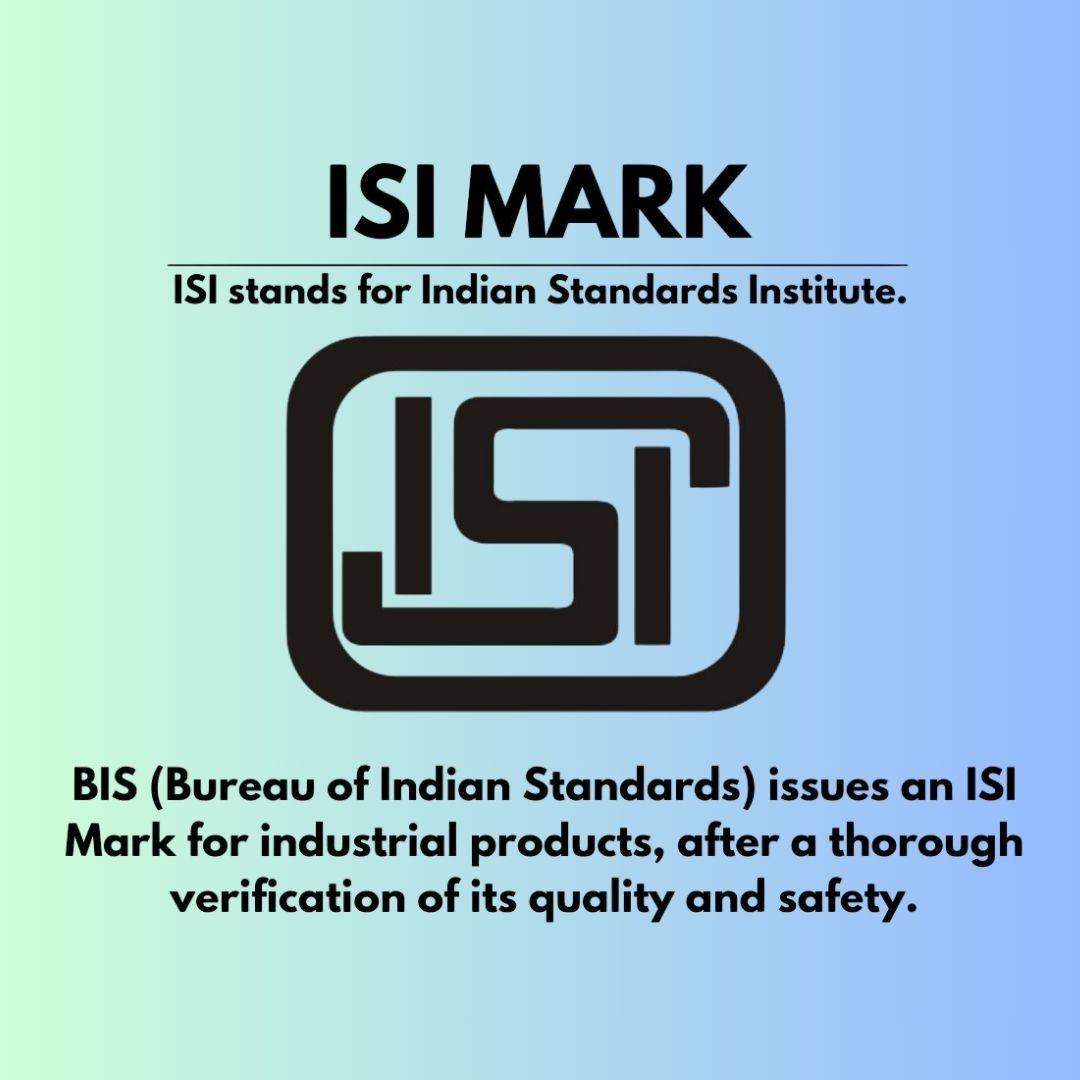
ISI Mark Certification is issued by the Bureau of Indian Standards, ensuring that a product conforms to the applicable Indian Standards (IS). The ISI mark signifies that the product has been tested and verified for quality, safety, and reliability.
This certification is mandatory for various products such as electrical appliances, cement, steel, LPG cylinders, and packaged drinking water.
The ISI mark on a product assures consumers that:
- The product meets Indian safety standards
- It has undergone rigorous testing
- The manufacturing process is regularly monitored
- Quality is consistently maintained
Why is ISI Certification Important?
- Legal Compliance: Mandatory for many products before sale in India
- Consumer Trust: Builds confidence in product safety and quality
- Market Advantage: Enhances brand reputation and acceptance
- Quality Assurance: Ensures consistent manufacturing standards
- Reduced Risk: Minimizes chances of product failure or rejection
Products Covered Under ISI Certification
ISI certification applies to a wide range of products, including:
- Electrical appliances (fans, switches, cables)
- Construction materials (cement, steel)
- Household products (pressure cookers, LPG cylinders)
- Packaged drinking water and food-related items
ISI Certification Process
The process of obtaining ISI certification involves multiple steps:
- Product Identification
Determine the applicable Indian Standard (IS) for your product. - Application Submission
Submit the application with required documentation to BIS. - Product Testing
Samples are tested in BIS-recognized laboratories. - Factory Inspection
BIS officials inspect the manufacturing unit for quality control systems. - Grant of License
Upon successful evaluation, BIS grants the ISI license. - Use of ISI Mark
The manufacturer is authorized to use the ISI mark on certified products.
Documents Required
- Company registration details
- Manufacturing unit information
- Product specifications
- Test reports
- Quality control documents
- Details of production process
Challenges in ISI Certification
- Complex and time-consuming documentation
- Strict testing and inspection requirements
- Understanding applicable standards
- Delays in approvals without proper guidance
How Snehyam QMS Can Help
At Snehyam QMS, we provide complete support for ISI Mark Certification, ensuring a smooth and efficient process. Our services include:
- Identification of applicable standards
- Documentation preparation and submission
- Coordination with BIS-approved labs
- Factory inspection readiness
- End-to-end application management
With our expertise, you can avoid delays, reduce compliance risks, and achieve certification faster.
Conclusion
ISI Mark Certification is a vital requirement for ensuring product quality and safety in India. It not only fulfills legal obligations but also strengthens your brand’s credibility in a competitive market.
By obtaining ISI certification, businesses can confidently deliver high-quality products while gaining the trust of consumers and regulatory authorities.